Most of Lebanon's diving worth doing is from a boat. The wrecks are offshore, the deeper reef sites are offshore, and the good news is that offshore here means fifteen minutes rather than an hour and a half.
Why boat diving here is easy
Short rides. Typically 10 to 25 minutes. In many destinations the transit is the tiring part of the day. Here it is barely part of the day at all.
Small groups. Lebanon's diving volume is low, which means boats are rarely full and you often have the site to yourself.
The day finishes early. A two-dive boat day from Beirut generally ends in the early afternoon.
The trade-off: this is an exposed coastline and dives get cancelled. That is the price of the short rides — the boats do not have the option of running somewhere sheltered an hour away.
What the boats run to
Regular sites
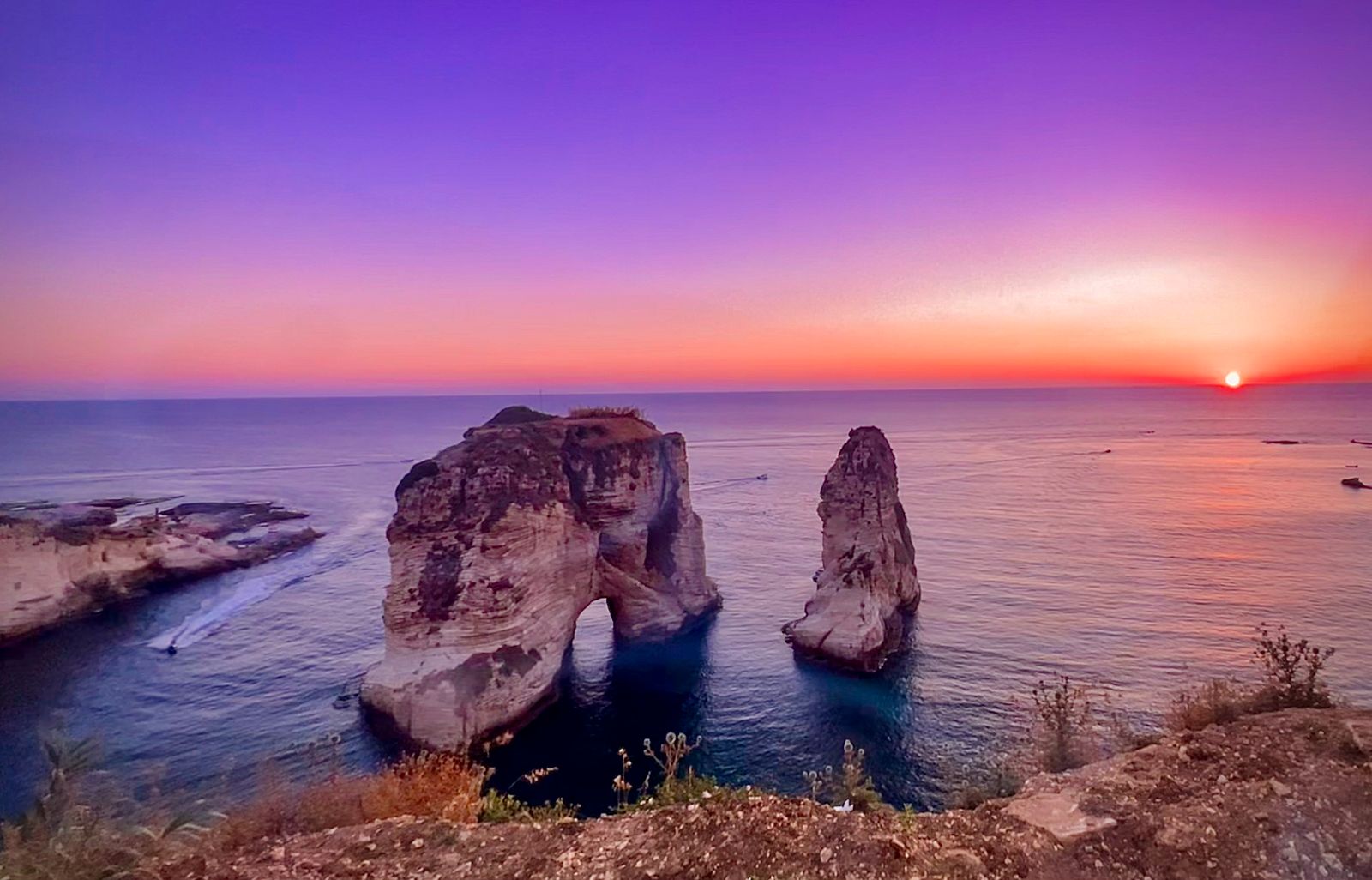
Raouché and the city coastline — rock formations, arches, shallow-to-moderate. Entry-level and up. The usual second dive.
Shark Point — 12 km south of Ras Beirut, 34–38 m, current can be significant. Advanced only. Rays, morays, and sand tiger sharks reported in mid-summer.
The Souffleur — the 1941 submarine wreck off Khaldé at 38–40 m. Advanced with deep training and current deep experience.
Day trips
Jounieh — the Alice B wreck at 27–37 m, and sheltered bay diving.
Batroun — an hour north by road, then a boat. The clearest water in the country and the cement freighter at 35–40 m.
The full list with depths and levels is in every dive site on the Lebanese coast.
How the day runs
Two-dive day
| Time | What happens |
|---|---|
| 08:00 | Arrive, paperwork if new, sign in |
| 08:20 | Kit up, check equipment, load the boat |
| 08:50 | Depart |
| 09:10 | On site, briefing, buddy check, in |
| 09:55 | Out, back on board |
| 10:15 | Return or move to the surface-interval spot |
| 10:15–11:30 | Surface interval — water, food, sitting in the sun |
| 11:45 | Second site, briefing, in |
| 12:35 | Out |
| 13:00 | Back at the centre |
| 13:45 | Gear rinsed, logged, finished |
Deeper site first, shallower second. Always. This is both the right decompression profile and, on this coast, the right weather call.
What to bring
Essential
- Certification card and logbook
- Swimsuit and towel
- Water — more than you think. Dehydration is a genuine factor in decompression risk
- Something to eat during the surface interval
- Sun protection, especially a hat. The reflection off the water is relentless
Worth having
- A mask that fits you. Why this one item matters
- Surface marker buoy and reel, particularly for Shark Point
- A cutting tool — fishing line on Mediterranean wrecks is the most likely thing to cause a problem
- A dry bag for your phone
- A windproof layer. Wet, on a moving boat, is colder than the air temperature suggests
Do not bring
- A rigid schedule. Diving is weather-dependent
- A hangover. Dehydration and diving are a poor combination
Being matched to the right site
A good operator asks about your certification level and your recent logged dives, and uses both.
The second matters more than people expect. A diver certified as advanced five years ago who has not dived since is not, functionally, an advanced diver — and the Souffleur at 38 metres is the wrong place to rediscover that.
Cancellations
They happen, particularly outside high summer, and a centre that cancels is a centre doing its job.
Ask in advance what the policy is — rebooking, refund, or credit — so it is not a conversation you have while disappointed.
If you are visiting Lebanon specifically to dive, build in spare days. This is the single most useful planning advice for this coast. Month-by-month conditions.
On the boat
Small things that make you the person people want on board:
- Set your gear up once and leave it where you set it
- Be ready when the briefing ends, not after it
- Listen to the briefing even at a site you have dived before — conditions change
- Rinse and stow after the dive rather than leaving it in the walkway
- If you feel unwell, say so early. Seasickness is much easier to manage before it is acute
Nitrox on a two-dive day
This is the profile where enriched air genuinely pays — a deep wreck followed by a second dive. You surface from dive one carrying meaningfully less nitrogen.
Check availability before you book, though. Nitrox supply varies by centre. More on that.
Booking one
Tell the centre three things: your certification level, how many dives you have logged in the last year, and what you want to see. Then ask the question that gets you the best day:
"What would you put me on this week?"
A good operator will match the site to you and the conditions. The wider picture of diving from the city is in scuba diving in Beirut.