Jounieh's reputation above water is the bay, the cable car and a strip of restaurants. Underwater it is quieter and more useful than that suggests, and it earns its place in Lebanese diving for one structural reason.
It is sheltered.
Why the shelter matters
Lebanon's coast is exposed, and the thing that stops diving here is almost never temperature — it is sea state. Wind and swell build, boats stay in, and the offshore wreck dives are the first thing cancelled.
Jounieh Bay is protected in a way that most of the coastline is not. On a marginal day, when Shark Point and the Souffleur are off, Jounieh is frequently still workable.
For anyone diving here regularly — or visiting on fixed dates — that makes it the reliable option rather than merely another site.
The Alice B
The reason most divers come to Jounieh.
| Type | Cargo ship, upright on sand |
| Depth | Deck around 27 m, seabed around 37 m |
| Length | ~50 m |
| Access | Boat |
| Level | Advanced recreational, deep-trained |
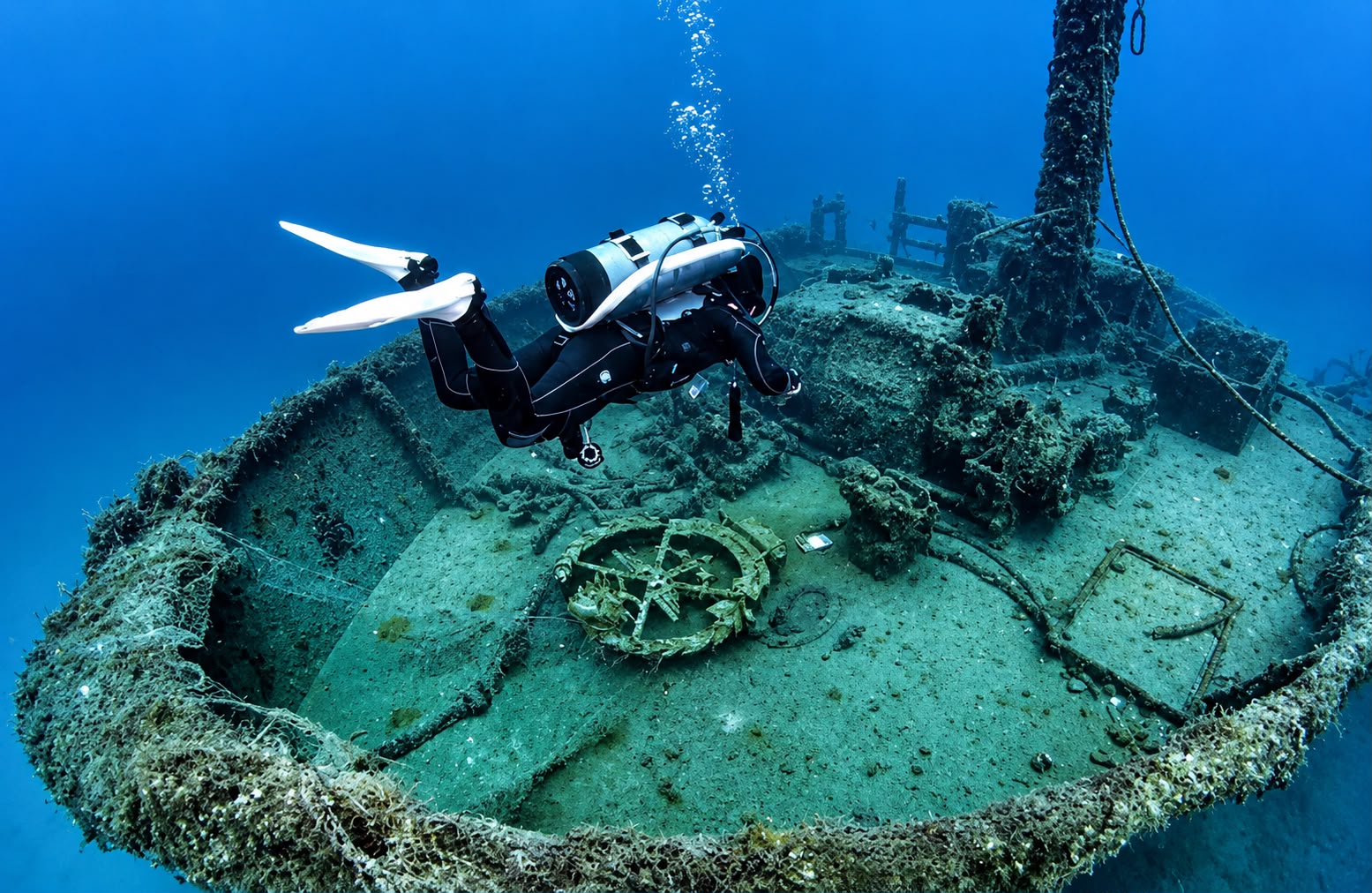
That 27-to-37-metre spread is what makes it Lebanon's best first wreck. On a wreck sitting flat at 40 metres everything you came to see is at the limit. Here the superstructure comes up to a depth where an advanced diver has real, usable bottom time — and can actually look at the ship rather than at their gauge.
Groupers hold territory on the structure. Morays occupy the openings. The hull is thoroughly encrusted now, which is what happens once the sea decides a wreck is a reef.
The full write-up, including an honest account of the contested story of how she sank, is in the Alice B.
The rest of the bay
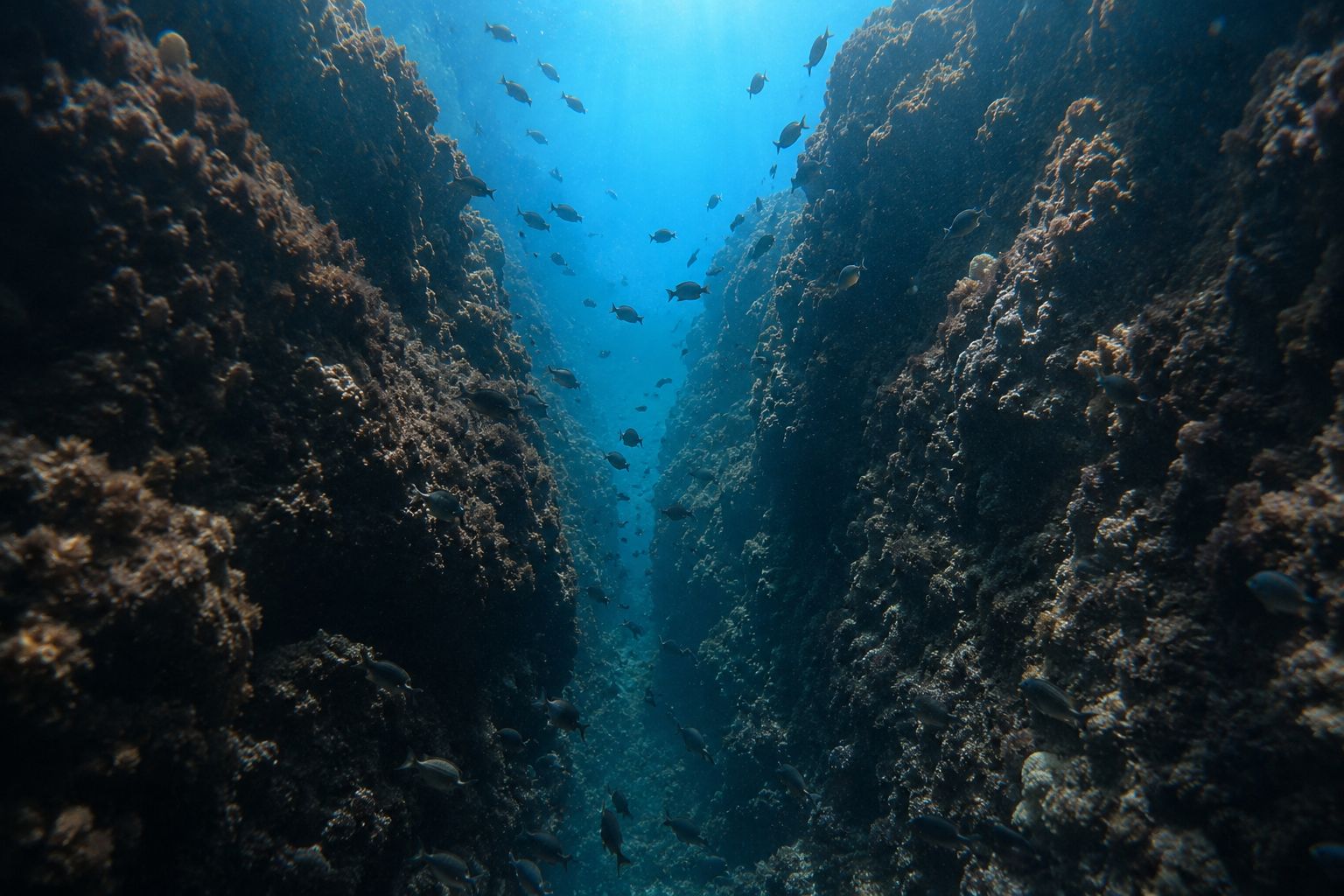
Beyond the wreck, Jounieh offers rock and reef diving across a range of depths — shallow enough for newly certified divers and for training, with more depth available where you want it.
This is the underrated part. A newly certified diver who dives the bay's shallower sites repeatedly through a season will become a considerably better diver than one who chases the deep wrecks immediately, and Jounieh's shelter makes that easier to actually do.
Getting there
Roughly 20 km north of Beirut — typically 30 to 45 minutes by road, with the usual Lebanese caveat about traffic. The coastal strip through Zouk and Kaslik runs into the bay.
Beirut-based centres, SEALS included, run trips north regularly. For most people it is easier to go with a centre that already has the boat and knows the sites than to arrange it independently.
Planning a Jounieh day
Two dives. The Alice B first, if you have the level for it — deeper site first is both the correct decompression profile and the right weather call, since the sea builds through the day. A shallower bay site second.
Nitrox is worth it. At a 27–37 metre profile followed by a second dive, enriched air meaningfully changes your nitrogen loading. This is exactly the day it was designed for.
Thermal protection. The bottom is cooler than the boat, and the second dive is colder than the first. Bring more suit than the surface temperature suggests. Guidance here.
A cutting tool. Fishing line collects on Mediterranean wrecks and is the most likely thing to actually cause you a problem.
Where Jounieh sits on the coast
| Going north from Beirut | What it offers |
|---|---|
| Beirut / Raouché | Rock architecture, city access, short rides |
| Jounieh | Shelter, the Alice B, reliable conditions |
| Batroun and the north | The clearest water in the country, the cement wreck |
| Off Tripoli | HMS Victoria at 140 m — not divable |
The complete list with depths and levels is in every dive site on the Lebanese coast.
If you are starting out
Jounieh's sheltered water is a good place to do training dives, and centres use it for exactly that when the open coast is unsettled.
If you have never dived, start with a supervised try-dive. If you are ready to certify, that is the Open Water course.