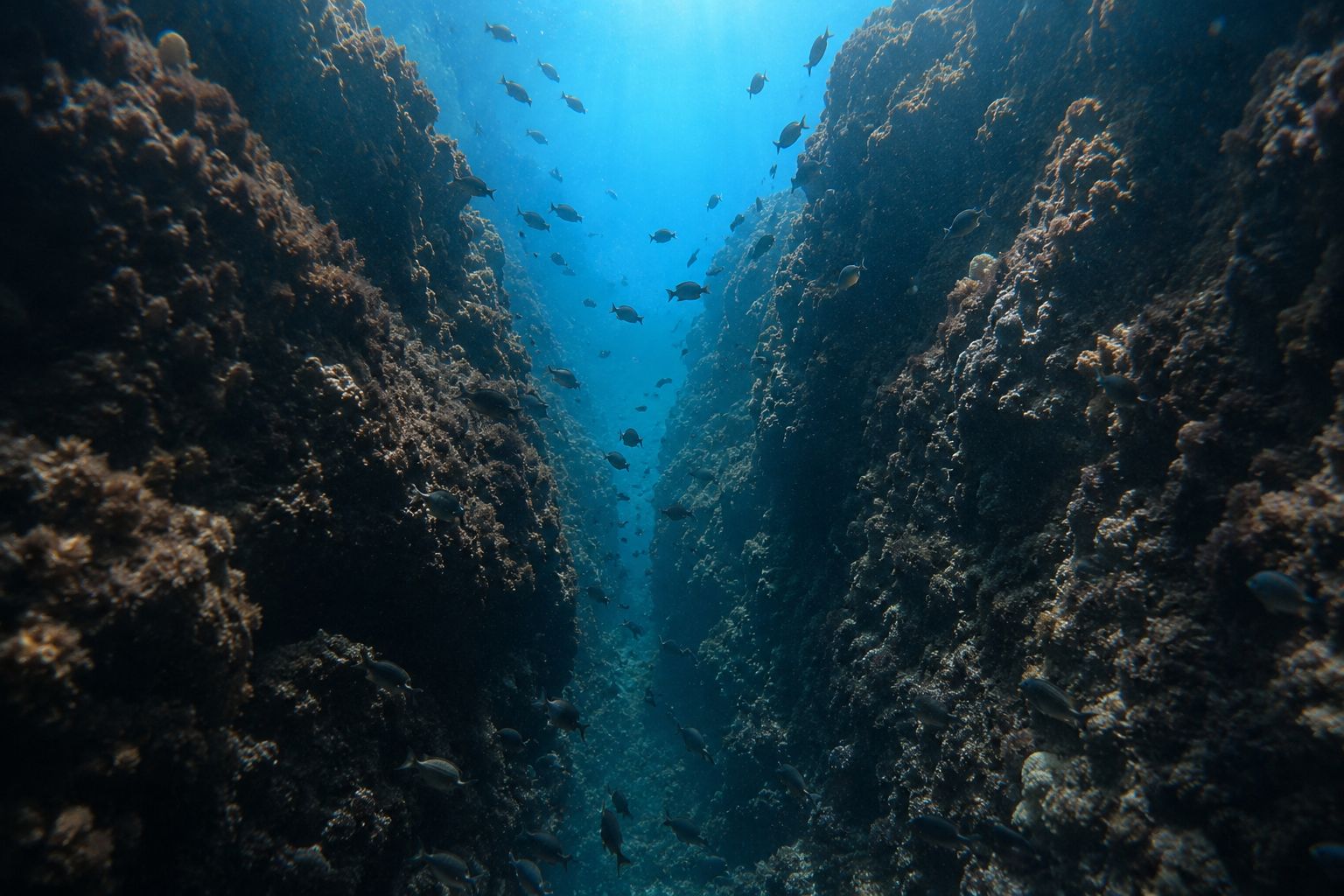
Lebanon's diving is not evenly spread along its 220 kilometres of coast. It clusters, and it clusters for reasons that are worth understanding before you pick where to dive.
This page is a geographic guide rather than a directory. Operators open, close and change; the coastline does not.
Where diving actually happens
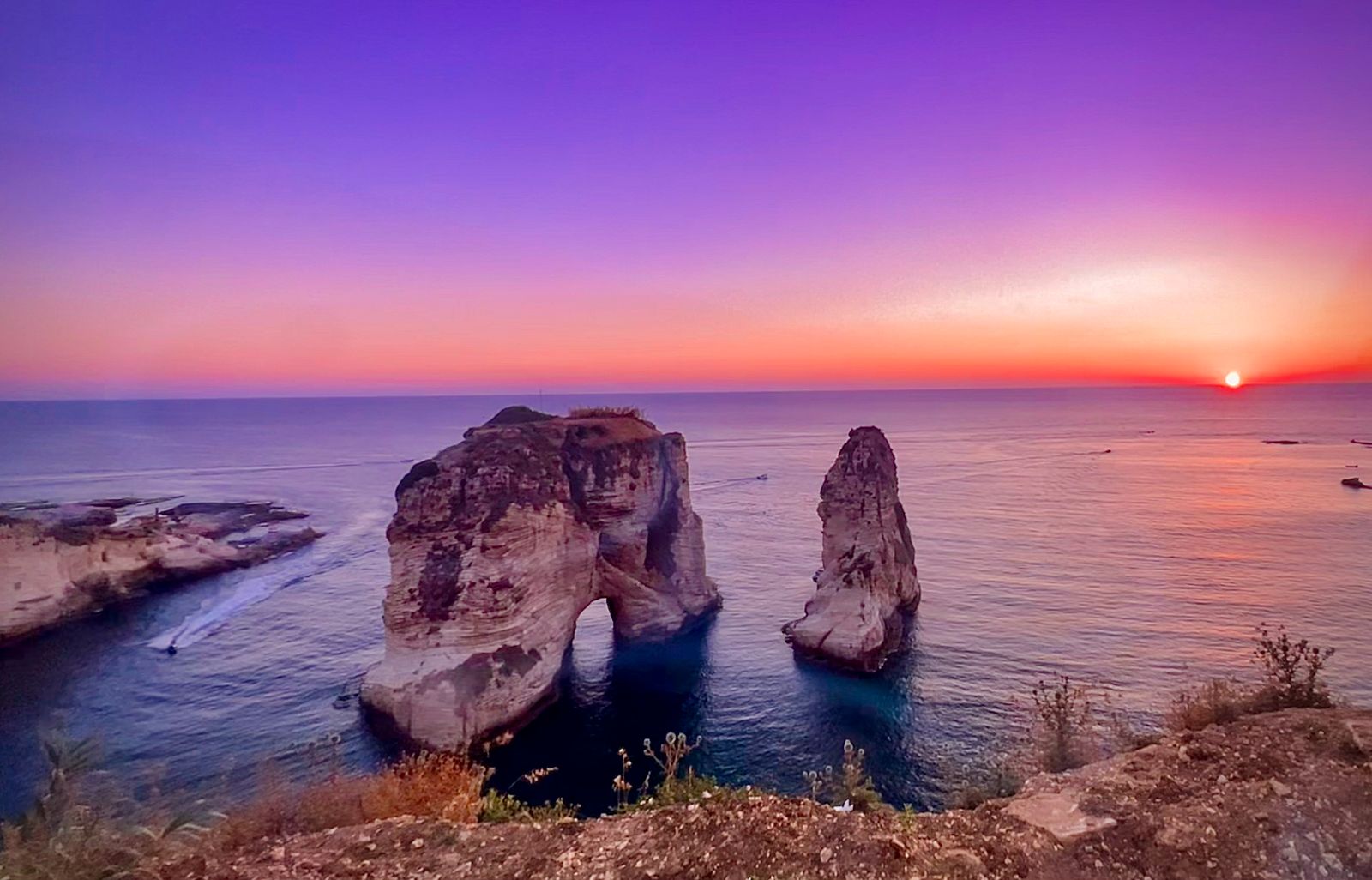
Beirut and Raouché
The main concentration. The city's limestone coastline has real structure — arches, cuts, walls and boulder fields — and it sits within a short boat ride of both Shark Point to the south and the Souffleur submarine off Khaldé.
Strengths: the most operators, the shortest logistics, sites 10–25 minutes offshore, easy to fit a dive into a normal day.
Weakness: visibility near a dense urban coastline suffers after rain. This is the honest trade-off.
SEALS operates from inside Mövenpick Hotel Beirut on the Raouché seafront. Details and the wider picture in scuba diving in Beirut.
Jounieh Bay
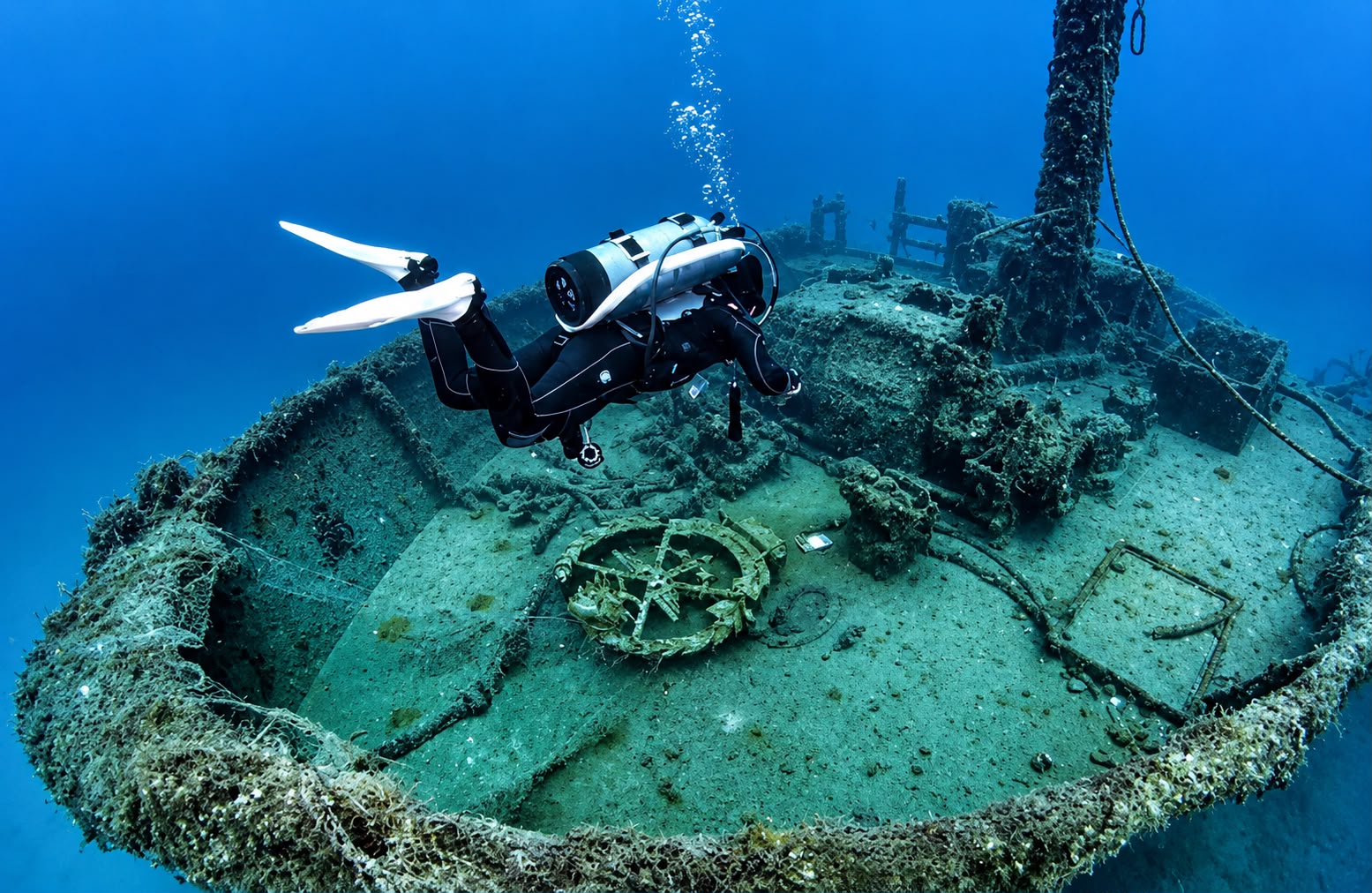
About 20 km north. Sheltered, which is the point — Jounieh is frequently diveable when the exposed coast is not, and it holds the Alice B, Lebanon's most accessible real wreck.
Strengths: shelter, reliability, good shallow diving for newer divers, one excellent wreck.
Batroun and the north
Roughly an hour up the coast. Further from run-off and development, and consistently the clearest water in the country. Holds the cement freighter at 35–40 metres and genuine caverns requiring overhead certification.
Strengths: visibility, a good deep wreck, real cavern diving.
Weakness: the drive. This is a day trip from Beirut, not a morning.
Tripoli and the far north
The coast off Tripoli is where HMS Victoria lies in about 140 metres — famous, and not divable by any recreational or ordinary technical standard.
South of Beirut
The coast continues past Sidon and Tyre. Recreational diving infrastructure is concentrated from Beirut northwards, so if you are in the south, expect to travel or to arrange something specifically rather than to find a centre nearby.
Choosing a centre: the nine questions
This is the useful part, and it applies anywhere.
- How many students per instructor? The single most predictive question. A course with two students and a course with eight cost the instructor the same hours and deliver very different products.
- How many in-water sessions, and how long is each? Some centres run the minimum. Others build in extra.
- What happens if I need an extra session — and is there a charge? A specific answer means the course runs on your competence. A vague one means it runs on a timetable.
- When was the rental equipment last serviced? Normal question. Hesitation is information.
- Is the certification fee included? Are the materials included? These are the two most commonly omitted line items.
- What happens if weather costs a day? On this coast it will, eventually.
- What is the emergency plan, and where is the nearest recompression facility? Any professional operation answers immediately.
- Which agency, and can I continue with you afterwards?
- What would you put me on this week? The best question of all, because a good centre answers it by matching the site to you.
Closest, or best?
Depends what you are booking.
A single fun dive: go with whoever is nearest and reputable. A one-off dive is a one-off dive.
A certification course: travel for the better centre. Three or four days shape how you dive for years, and an extra forty minutes in the car is a poor reason to accept a large class over a small one.
Deep or wreck diving: go with whoever knows the specific site. Local knowledge of a 38-metre wreck is not interchangeable.
What each region gives you
| Region | Best for | Trade-off |
|---|---|---|
| Beirut / Raouché | Access, short rides, most operators | Run-off after rain |
| Jounieh | Shelter, reliability, first wreck | Fewer sites |
| Batroun / north | Clearest water, deep wreck, caverns | An hour's drive |
| Tripoli | Historical significance offshore | Not divable |
| South | Undeveloped coast | Little infrastructure |
The complete site-by-site list with depths and required levels is in every dive site on the Lebanese coast.
If you are starting from nothing
Geography matters less than you think at the beginning. A first supervised dive and an Open Water course can be done well anywhere on this coast that has a good instructor and a small class.
Pick the centre on the nine questions. Worry about which region has the best wreck once you have the certification to dive it.